Casino Stablecoin Gambling ─ USDT USDC Guide: The Institutional-Grade Revolution in Digital Wagering
The convergence of decentralized finance and online gaming has birthed a paradigm shift in how high-stakes players manage their bankrolls. Casino Stablecoin Gambling ─ USDT USDC Guide is no longer a niche experiment; it is the definitive standard for sophisticated bettors seeking asymmetric advantages over traditional fiat rails. 🎲
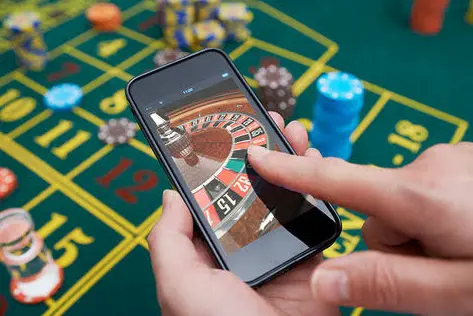
Why Non-Volatile Digital Assets Dominate High-Rollers' Portfolios
Traditional cryptocurrency wagering exposes participants to inter-block volatility risk—a single Bitcoin swing can liquidate a carefully calculated session. Stablecoins eliminate this extraneous variable. Casino Stablecoin Gambling ─ USDT USDC Guide practitioners leverage Tether (USDT) and USD Coin (USDC) for their 1:1 peg to the greenback, ensuring that a 5,000-unit wager retains its purchasing power from deposit to cashout. The psychological benefit is immense: you focus on game theory, not macro market timing.
USDT vs. USDC: Liquidity, Chain Agnosticism, and Settlement Velocity
USDT (ERC-20, TRC-20, and beyond) offers unparalleled liquidity depth across offshore sportsbooks and decentralized casinos. Its TRC-20 iteration provides near-zero gas fees, making micro-bets viable. USDC, conversely, appeals to the compliance-conscious whale—Circle's monthly attestations and regulated custody framework provide an extra layer of institutional trust. The savvy operator maintains a multi-chain wallet strategy: USDT on Tron for rapid-fire table games, USDC on Ethereum or Solana for high-value slot tournaments. 🃏

Smart Contract Escrow and Provably Fair Mechanics Explained
The most advanced platforms integrate stablecoin deposits with on-chain escrow smart contracts. When you initiate a blackjack hand, your USDT is locked in a hash-verified contract; upon settlement, winnings are instantly routed back to your non-custodial wallet. This removes counterparty risk—the operator cannot touch your principal mid-hand. Provably fair algorithms publish seed hashes pre-bet, allowing independent verification of every shuffle and dice roll. Casino Stablecoin Gambling ─ USDT USDC Guide aficionados demand this transparency as a non-negotiable feature.
Tax Implications and Cross-Border Compliance for Stablecoin Bettors
Jurisdictional nuance is critical. In territories where online wagering is regulated, stablecoin transactions may be classified as property disposals rather than currency transfers, triggering capital gains events. Conversely, in gray-market zones, USDT's pseudonymity offers a layer of privacy—though chain analytics firms are increasingly sophisticated. Professional players maintain meticulous ledgers denominated in USD equivalent at time of settlement, mitigating audit exposure. The use of USDC on regulated rails can simplify reporting for those operating within frameworks like the EU's MiCA.
Optimizing Deposit Bonuses and Rakeback in Stablecoin Ecosystems
Many operators now offer tiered VIP programs exclusively for stablecoin deposits—rakeback percentages that scale with 30-day volume, no-wager free spins, and cashback on net losses. Because stablecoin transfers settle in seconds, reload bonuses can be claimed and cleared without the 3-5 day ACH delays endemic to traditional banking. The velocity of capital compounds your effective edge. 🎰
Security Protocols: Multi-Sig Wallets and Withdrawal Whitelists
Never intermingle gaming funds with long-term cold storage. Best practice mandates a dedicated hot wallet with daily limits, 2FA via hardware key, and a withdrawal address whitelist that enforces a 24-hour time-lock on new destinations. This thwarts session hijacking and malware clipboard attacks. Always verify the casino's audited reserve attestation—proof that stablecoin liabilities are matched by on-chain assets.
For the discerning bettor, the fusion of dollar-pegged stability with blockchain finality represents not just convenience, but a structural edge. The house edge remains, but the friction—and the volatility—evaporates. 🚀